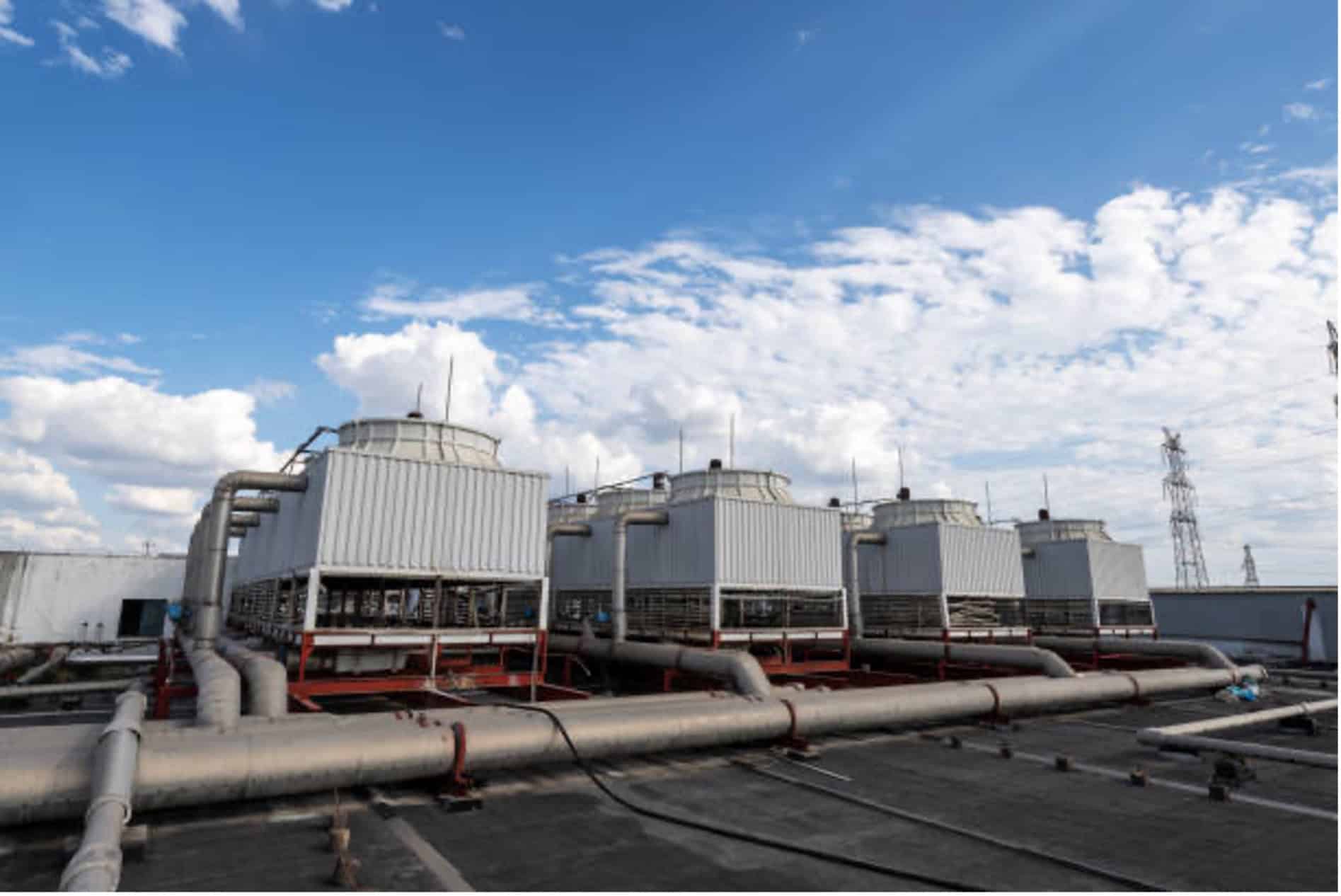
17.06.2025
Prevention of Biological Fouling in Cooling Towers:
In industrial plants, cooling towers are critical for continuity and efficiency of the process. One of the most important problems in these systems is…
 Request a quote
Company
About usDealershipCertificatesReferencesBlogSearch the siteContact
+90 (216) 573 4014[email protected]What Is Water Hardness?
Water hardness has two types: temporary hardness and permanent hardness. Hardness in water comes from dissolved Ca+2 and Mg+ ions (calcium and magnesium).
Temporary hardness comes from carbonates and bicarbonates of calcium and magnesium. Another name is carbonate hardness. You can remove temporary hardness by boiling the water.
Permanent hardness comes from chlorides, nitrates, sulfates, silicates, and phosphates of calcium and magnesium. You cannot remove permanent hardness by boiling the water.
Hardness is usually a quantity of calcium carbonate (CaCO3), in ppm. Common units of water hardness are the French degree, the German degree, or the English degree.
1 German degree of hardness = 1.78 French degrees of hardness = 17.85 ppm CaCO3
What Problems Does Water Hardness Cause?
Hard waters have a high ion concentration. For this reason, they have a higher boiling point. Heating of hard water therefore uses more energy. Scaling increases further on surfaces where you heat the water. The scale causes insulation and increases fuel consumption.
Water quality is also an important factor for the useful life of equipment that works with water. Examples are a boiler, a steam boiler, and a hot-water tank.
Sediment in the water collects in pipes and in equipment that uses water, at dead zones where the flow is slow. The sediment causes blockages. It also causes failure of sensitive control devices.
Hardness in water loses solubility over time by itself. When you heat the water, it loses solubility quickly and starts to stick to the surfaces that it passes. The inside of water pipes fills quickly. Water pressure and flow decrease. After a short time, you must replace the pipes.
Faults occur more often in taps, in valves, and in showers.
Soap precipitate sticks to human skin after a bath or a shower. It blocks skin pores. It covers hair and makes the hair hard. This mass on the skin creates a favorable environment for bacteria to grow.
Hardness minerals give an unwanted taste to food. Ice made with hard water has a cloudy appearance.
What Is a Water Softener?
Water softening removes hardness from water. The hardness comes from the hardness minerals Ca+2 and Mg+ (calcium and magnesium). The process uses a cationic resin. The process works by ion exchange.
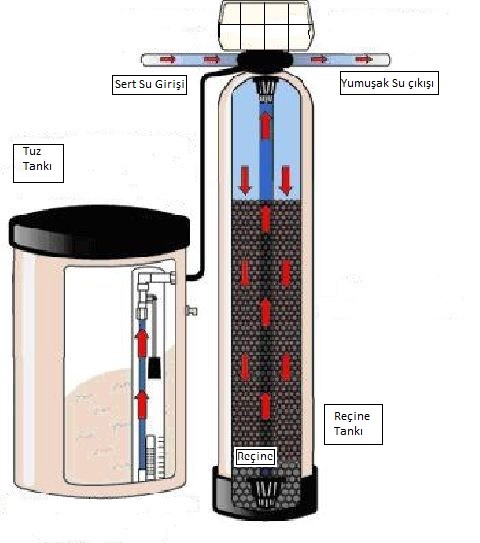
How Do Water Softeners Work?
When hard water enters the tank, it passes through resin. The resin separates the ions that make the water hard. The resin contains various cross-linked polymers. It has anionic and cationic properties. When this material touches water, ion exchange starts. The Na+ ion (sodium) in the resin changes place with the Ca+2 and Mg+2 ions (calcium and magnesium) in the water. The Ca+2 and Mg+2 ions that make the water hard bind to the resin. The Na+ ions from the resin go into the water. The system then supplies this softened water for use.
As you use the resin, it becomes saturated with the minerals that cause hardness. The softening capacity decreases. You must then do regeneration. Regeneration is the wash of the resin with salt water. Salt water contains the Na+ and Cl- ions (sodium and chloride) that form the salt. During regeneration, salt water from the salt tank goes to the resin tank. Na+ ions change place with Ca+2 and Mg+2 ions in the resin. The Cl- ion and the Ca+2 and Mg+2 ions go to the drain. The resin then carries Na+ again.
Ion exchange during softening: Ca+2 and Mg+2 ions in the hard water change place with Na+ ions in the resin.
Ion exchange during regeneration: Na+ ions in the salt water change place with Ca+2 and Mg+2 ions in the resin.
17.06.2025
In industrial plants, cooling towers are critical for continuity and efficiency of the process. One of the most important problems in these systems is…
15.05.2025
Water has a vital importance in industrial processes. Water is used in steam boilers, cooling systems, drinking-water supply and the production line. That use…
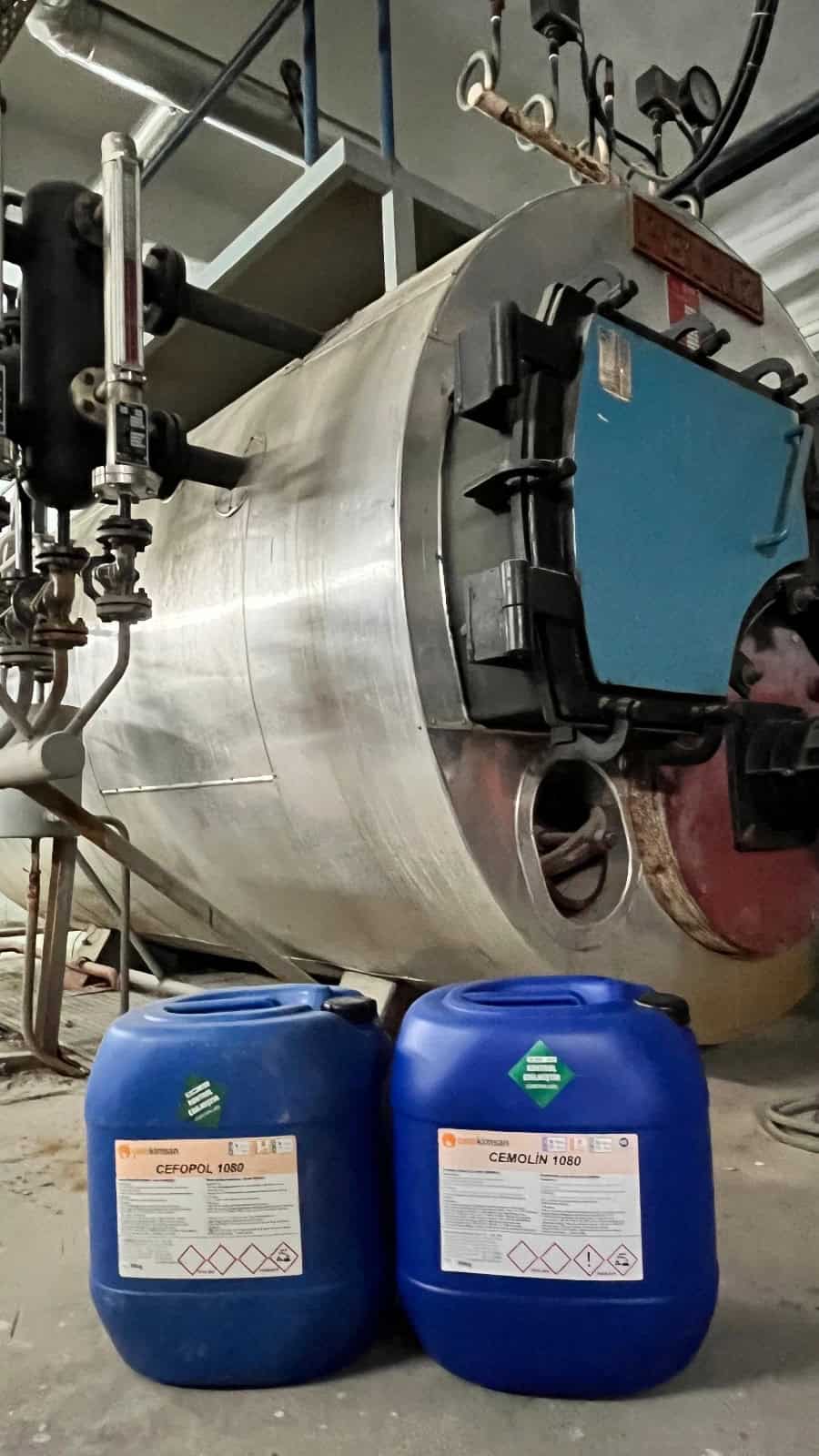
12.02.2025
The main purpose of steam boilers is to heat water, obtain steam, and use this steam as an energy source. These boilers are usually chosen in industrial…
We help you select the correct chemical for your system
Send us your feed water analysis or your requirement. Our technical team will send you a recommendation. +90 (216) 573 4014 · [email protected]