
What Is an Antiscalant?
Antiskalant, ters ozmoz (RO) membranlarına giren suyun ön arıtımından sonra dozlanan, kireçlenmeyi (scaling) önleyici bir su şartlandırma kimyasalıdır. Kalsiyum, magnezyum ve bikarbonat gibi iyonların membran yüzeyinde kristalleşerek çökelti oluşturmasını engeller.
Antiskalant Ne İşe Yarar?
Antiskalant kullanılmadığında, sudaki az çözünen tuzlar membran yüzeyinde birikir ve zamanla sistem performansını düşürür. Antiskalant, bu birikimi geciktirerek:
- Membranların kullanım ömrünü uzatır
- Temizlik ve bakım maliyetlerini azaltır
- Sistemin daha yüksek verimlilikle çalışmasını sağlar
Hangi Sistemlerde Kullanılır?
Antiskalant, endüstriyel su arıtma tesislerinden içme suyu üretim tesislerine, deniz suyu arıtma sistemlerinden atık su geri kazanım tesislerine kadar RO membranı kullanan her sistemde kullanılabilir.
Doğru Antiskalant Nasıl Seçilir?
Antiskalant seçimi, besleme suyunuzun mineral içeriğine göre değişir. Cemkimsan olarak sunduğumuz antiskalant ürünlerimiz arasında standart ve yüksek yoğunluklu, silis içeriğine özel formülasyonlar bulunur. Antiskalantın sistem içindeki rolünü ve ters ozmoz çalışma prensibiyle ilişkisini daha detaylı öğrenmek için Ters Ozmoz Çalışma Prensibi ve Antiskalant Kullanımı yazımızı okuyabilirsiniz.
Sisteminize uygun antiskalant türü ve dozajı, besleme suyu analizinize dayalı olarak Cemkimsan su şartlandırma danışmanları tarafından belirlenir.
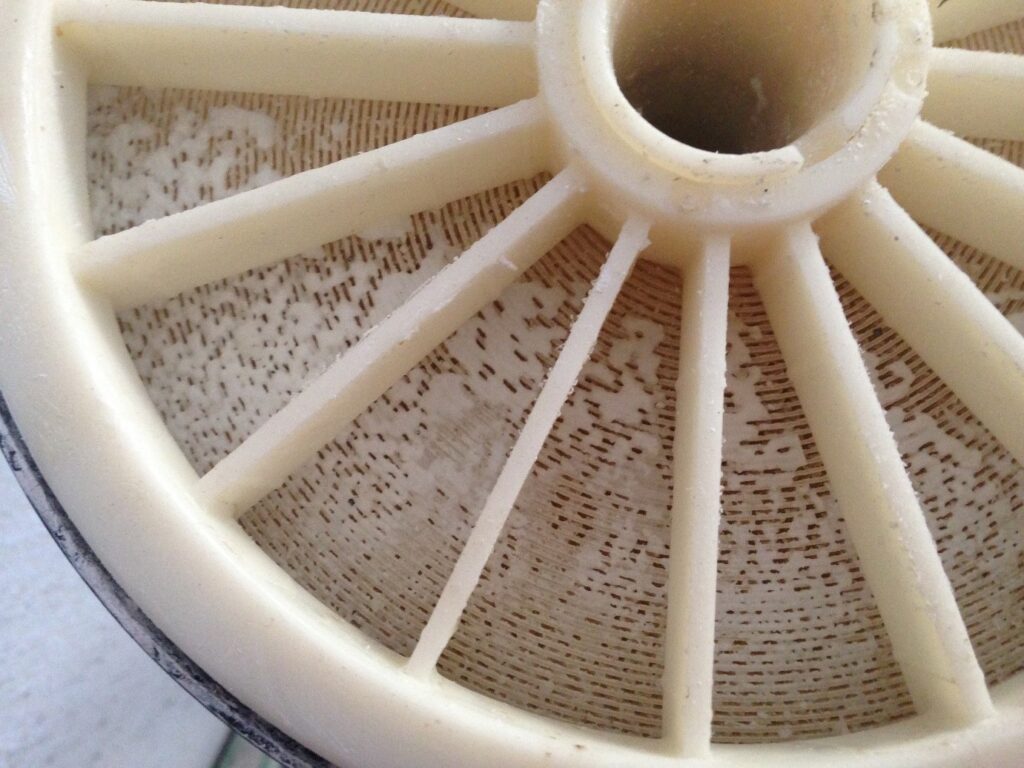
At Cemkimsan Kimya, we have developed and manufacture at our plant our antiscalant products;
C-SCALANT 6080: A protective product for membranes fed with water containing high levels of silica. It prevents membrane fouling and extends their useful service life.
C-SCALANT 2005: A membrane protection product. It prevents membrane clogging or a decrease in capacity and extends their useful service life.
C-SCALANT 1085: A membrane protection product. It prevents membrane clogging or capacity loss and extends the useful service life of the membranes. Suitable for use in drinking water production facilities. NSF-certified.
Our products used to clean membranes that have become clogged or contaminated with bacteria include:
C-MEC 102: Acidic membrane cleaner; used to clean membranes whose pure water production capacity has decreased due to scale and similar contaminants. It is an acidic product with a low pH value.
C-MEC 100: An organic acidic membrane cleaner used to clean membranes whose pure water production capacity has decreased due to scale and similar contaminants. It is an acidic product with a low pH value.
C-MEC 200: Alkaline membrane cleaner; used to clean membranes whose pure water production capacity has decreased due to colloidal and similar contaminants. It is an alkaline product with a high pH value.
C-MEC 17https://cemkimsan.com.tr/c-mec-17/ is a membrane cleaning chemical used to remove biological deposits that accumulate on R.O. membranes over time.
Source:
www.suvecevre.com/edergi
TMMOB Chamber of Chemical Engineers; Water Handbook
Cemkimsan Chemistry Lecture Notes