
Ters Ozmoz (RO) Nasıl Çalışır?
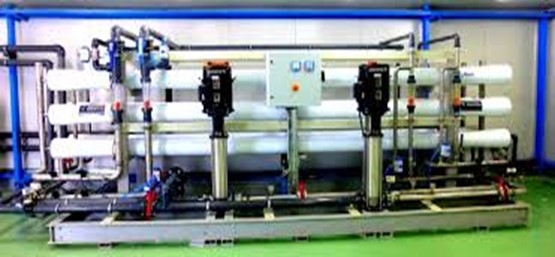
Ters ozmoz, basınç altında suyun yarı geçirgen bir membrandan geçirilerek çözünmüş tuzların, minerallerin ve diğer kirleticilerin ayrıştırılması prensibine dayanır. Besleme suyu membrana yüksek basınçla verilir; su molekülleri membrandan geçerken, çözünmüş iyonlar ve büyük moleküller geçemez ve konsantre akış olarak sistemden ayrılır.
Kireçlenme Neden Bir Sorun?
Su, membrandan geçerken geride kalan tuzların konsantrasyonu giderek artar. Kalsiyum karbonat, kalsiyum sülfat, baryum sülfat ve stronsiyum sülfat gibi az çözünen tuzlar, belirli bir doygunluk noktasını aştığında membran yüzeyinde kristalleşerek çökelti oluşturur. Bu çökelti, membran gözeneklerini tıkayarak sistem verimliliğini düşürür ve zamanla membran ömrünü kısaltır.
Antiskalantın Sistemdeki Rolü
Antiskalant, besleme suyuna ön arıtımdan sonra, membrana girmeden önce dozlanan bir kimyasaldır. Kalsiyum, magnezyum ve bikarbonat gibi iyonların reaksiyona girerek kristalleşmesini geciktirir, böylece çökelti oluşumu önemli ölçüde azalır. Doğru antiskalant seçimi ve dozajı, besleme suyunun analiz sonuçlarına göre belirlenir.
Doğru Antiskalant Seçimi Neden Önemlidir?
Her besleme suyu farklı bir mineral profiline sahiptir; bu nedenle tek bir antiskalant türü her sisteme uygun olmayabilir. Örneğin silis içeriği yüksek sularda silis antiskalantları tercih edilirken, içme suyu uygulamalarında NSF onaylı ürünler gereklidir. Sisteminize uygun antiskalant seçimi hakkında daha fazla bilgi için Antiskalant Nedir? yazımızı inceleyebilirsiniz.
Cemkimsan olarak, besleme suyu analizinize dayalı projeksiyon raporu oluşturan yazılımımızla sisteminize en doğru antiskalant dozajını hassas bir şekilde belirliyoruz.
At Cemkimsan Kimya, we have developed and manufacture at our plant our antiscalant products;
C-SCALANT 6080: A protective product for membranes fed with water containing high levels of silica. It prevents membrane fouling and extends their useful service life.
C-SCALANT 2005: A membrane protection product. It prevents membrane clogging or a decrease in capacity and extends their useful service life.
C-SCALANT 1085: A membrane protection product. It prevents membrane clogging or capacity loss and extends the useful service life of the membranes. Suitable for use in drinking water production facilities. NSF-certified.
Cleaning clogged and bacteria-infested membranes;
C-MEC 102: Acidic membrane cleaner; used to clean membranes whose pure water production capacity has decreased due to scale and similar contaminants. It is an acidic product with a low pH value.
C-MEC 100: An organic acidic membrane cleaner used to clean membranes whose pure water production capacity has decreased due to scale and similar contaminants. It is an acidic product with a low pH value.
C-MEC 200: Basic membrane cleaner; used to clean membranes whose pure water production capacity has decreased due to colloidal and similar contaminants. It is a basic product with a high pH value.
C-MEC 17: Membrane Disinfectant is a membrane cleaning chemical used to remove biological deposits that accumulate on R.O. membranes over time.
Source:
https://www.cemkimsan.com.tr/post/antiskalant-ve-membran-temizleyiciler
https://evrimagaci.org/ozmoz-ozmotik-basinc-ve-turgor-basinci-4519#
http://www.suvecevre.com/edergi/19/149/index.html
TMMOB Chamber of Chemical Engineers; Water Handbook
Cemkimsan Chemistry Lecture Notes