Lejyoner Hastalığı Nedir?
Dünyada ilk lejyoner hastalığı vakası 1976 ‘da ABD’de Philadelphia’da rapor edilmiştir. Lejyoner hastalığı olarak adlandırılan enfeksiyon etkeni Legionella pneumophila otel, hastane ve gıda işletmelerinde su dağıtım sistemleri, kondenser, evaporatör ve soğutma kulelerinde gelişerek çoğalabilen ve insanlarda Legionellosis enfeksiyonuna neden olan bir mikroorganizmadır. Özellikle son yıllarda nedeni saptanmayan bazı akciğer enfeksiyonlarında da etkenin Legionella içeren içme suları olduğu düşünülmektedir.
Hastalık Belirtileri Nelerdir?
Hastalık erken dönemde ciddi bir gribal enfeksiyon şeklinde başlayıp bunları ateş, kuru öksürük, baş ağrısı, yorgunluk, iştahsızlık, solunum sıkıntısı, kas ve eklem ağrıları gibi semptomlar takip eder. Akut durumlarda vücudun birçok sistemi etkilenip bulantı, mental konfüzyon ve hatta renal yetmezlik gelişebilir.
Legionella pneumophila bakterisi genellikle durağan su yapılarında gelişebilmekte ve aerosollar ile havalandırma sistemi ile yaşam bölgelerine dağılabilme riskini oluşturabilmektedir.
Otel, hastane, okul vb. toplum yaşam merkezlerinde Legionella pneumophila bakterisinin gelişmeden önlemini almak ve oluşmasını engellemek son derece önemlidir.
Lejyoner Hastalığı Nasıl Önlenir?
Lejyoner hastalığının meydana gelmesini önlemek için binalardaki havalandırma ve su sistemlerinin endüstriyel standartlara göre düzenli bakımı yapılmalıdır.
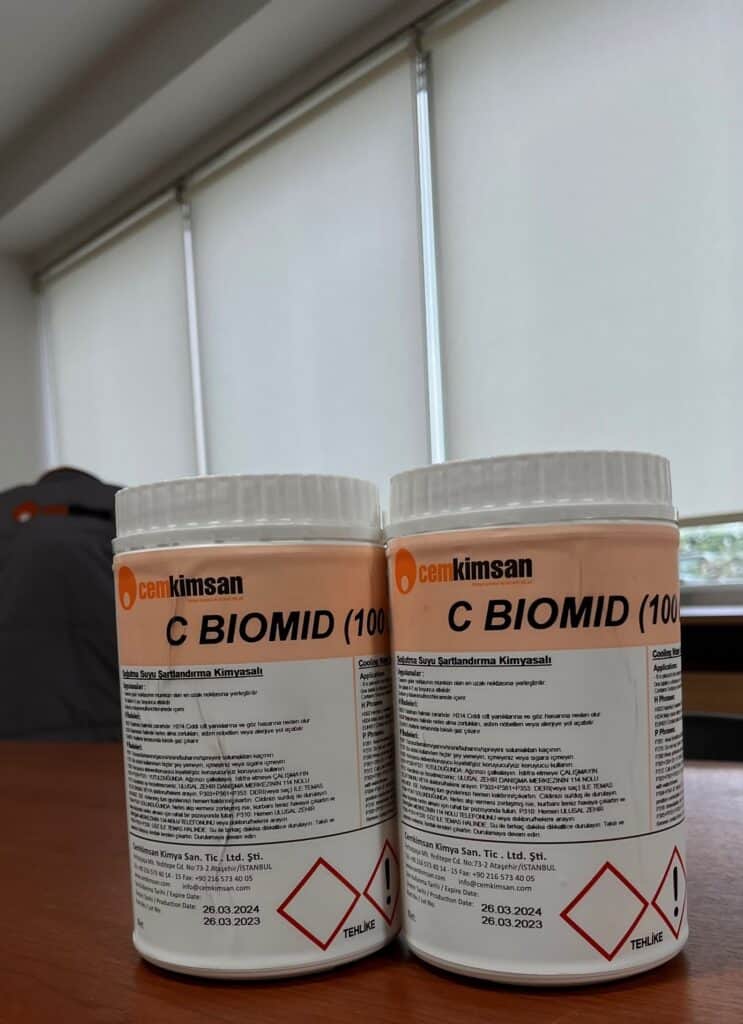
Fan Coil ve klima santrallerinde yoğuşma tavalarına bakteri önleyici tablet kullanılmalıdır.
Duş başlıkları ve hortumları sökülmeli ve düzenli olarak temizlenmelidir.
Duş başlıkları her zaman kullanılmıyorsa duştan önce sıcak su birkaç dakika duş başlığından iyice tazyikli bir biçimde akıtılmalıdır.
Kuyu suyu kullanılmadan önce sterilize veya filtre edilmelidir.
Otellerde Lejyoner Hastalığı Risklerinin Azaltılması İçin Öneriler:
1- Bir otel personeli lejyonella kontrol çalışmalarının yürütülmesinde sorumlu tutulmalıdır.
2- Sıcak su her zaman son kullanma noktasında 50-60 0C derece arasında tutulmalıdır ( bu ısı elin dayanamadığı sıcaklık olacağından kullanıcılar uyarılmalıdır).
3- Soğuk su her zaman 25 0C ‘nin altında tutulmalıdır (özellikle yaz aylarında Akdeniz bölgesindeki yapılar için önemlidir).
4- Otel odalarında özellikle misafir olmadığı zamanlarda her gün musluk ve duş başlıklarından birkaç dakika süreyle su akıtılmalıdır.
5- Duşlar, duş başlıkları ve musluklar rutin olarak temizlenmeli, tortulardan, kireç ve biofilm tabakalarından arındırılmalıdır.
6- Soğutma kuleleri her 3 ayda bir temizlenmeli ve dezenfekte edilmelidir.
7- Yılda en az 1 kere kalorifer dairesi temizlenmeli ve dezenfekte edilmelidir.
8- Su depoları, soğutma kuleleri ve su boruları başta olmak üzere tüm görülebilir lokalizasyonlardaki elemanlar ayda bir incelenmeli ve hepsinin sağlam ve sızdırmaz olduğundan emin olunmalıdır.
9- Sistemdeki bakım çalışmaları ve yenilemelerde, şebekede kesintili akım yaratıldığından emin olunmalıdır.
Cemkimsan Kimya bünyesinde geliştirdiğimiz ve fabrikalarımızda ürettiğimiz bazı biyolojik oluşum önleyici ürünlerimiz;
C BIOCIDE 900; Kapalı devre ısıtma ve soğutma sistemleri için biyosit
C BIOCIDE 886; Soğutma kuleleri ve açık soğutma sistemleri içn biyosit
C BIOMID; Fan Coil ve Klima sistemleri için bakteri önleyici tablet; Fan Coil ve klima santrallerinin yoğuşma drenaj tavalarına uygulanır. Tavanın gider noktasının mümkün olan en uzak noktasına yerleştirilir. Bir tablet 4-5 ay boyunca etkilidir.
Resul AĞBULUT
Chemical Engineer
Water Treatment Consultant
http://www.hidrodos.com/?pnum=36&pt=LEJYONER+HASTALI%C4%9EI+KONTROL%C3%9C
https://hsgm.saglik.gov.tr/tr/bulasici-hastaliklar/lejyoner/lejyoner-liste/lejyoner.html
https://mmo.org.tr/sites/default/files/1d0e6287202fced_ek.pdf
Cemkimsan Ders Notları